



Tutorials
Advanced Signal Processing for Visible Light Communications: Channel Estimation in Practical Scenarios and Machine Learning Approaches
This tutorial explores signal processing techniques for visible light communication (VLC) systems, focusing on channel estimation under practical noise models and the integration of machine learning approaches.
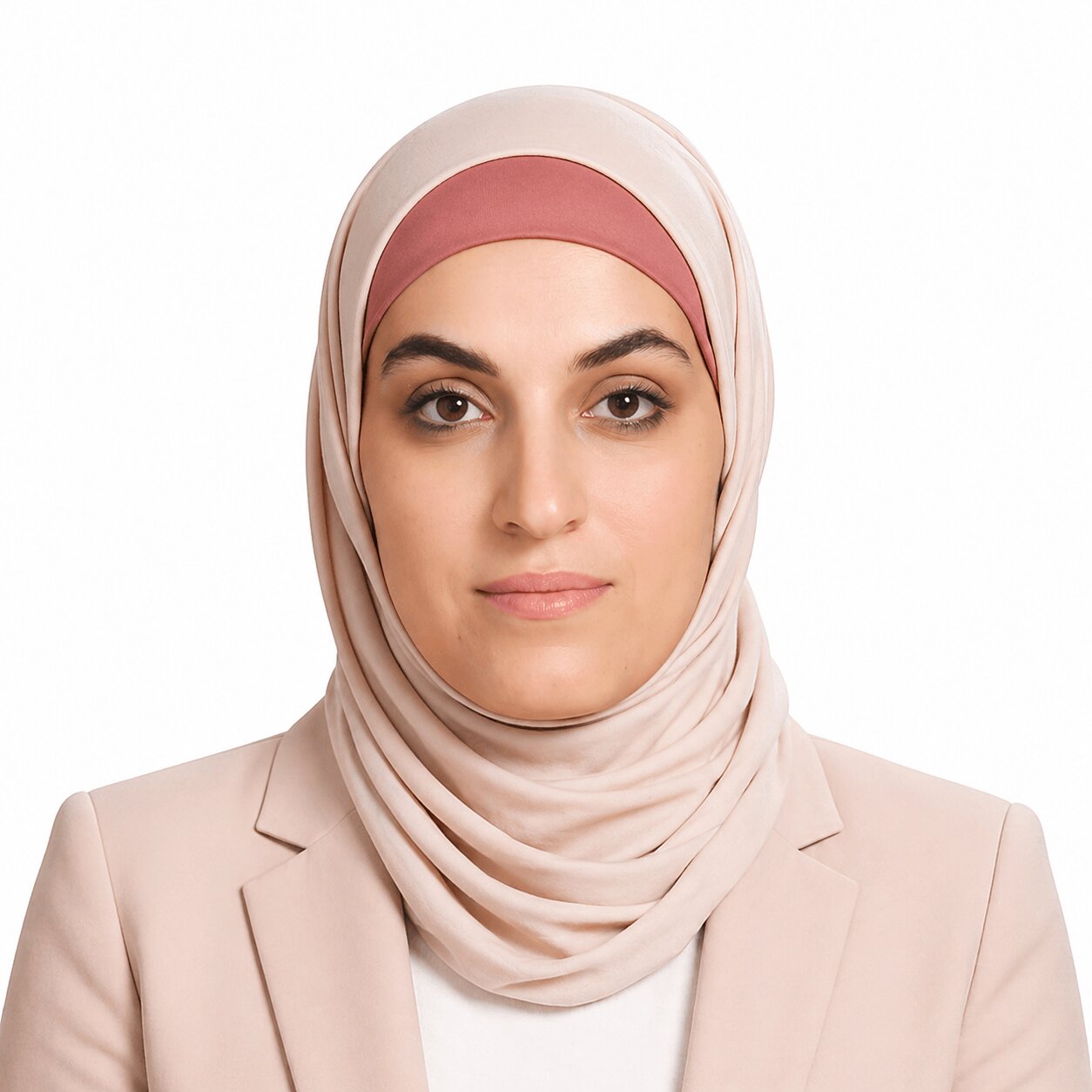
Dr. Maysa Yaseen (Member, IEEE) is currently an assistant professor at Lakehead University, Barrie, ON, Canada. She received her Ph.D. degree in Electrical and Computer Engineering from Lakehead University, Thunder Bay, ON, Canada, in May 2024. Her research interests include visible light communications, channel estimation, wireless sensor networks, machine learning in communications, and 6G and beyond wireless communication systems. Dr. Yaseen was the recipient of the Faculty Research Scholarship and the Faculty of Engineering Award from Lakehead University in 2021.
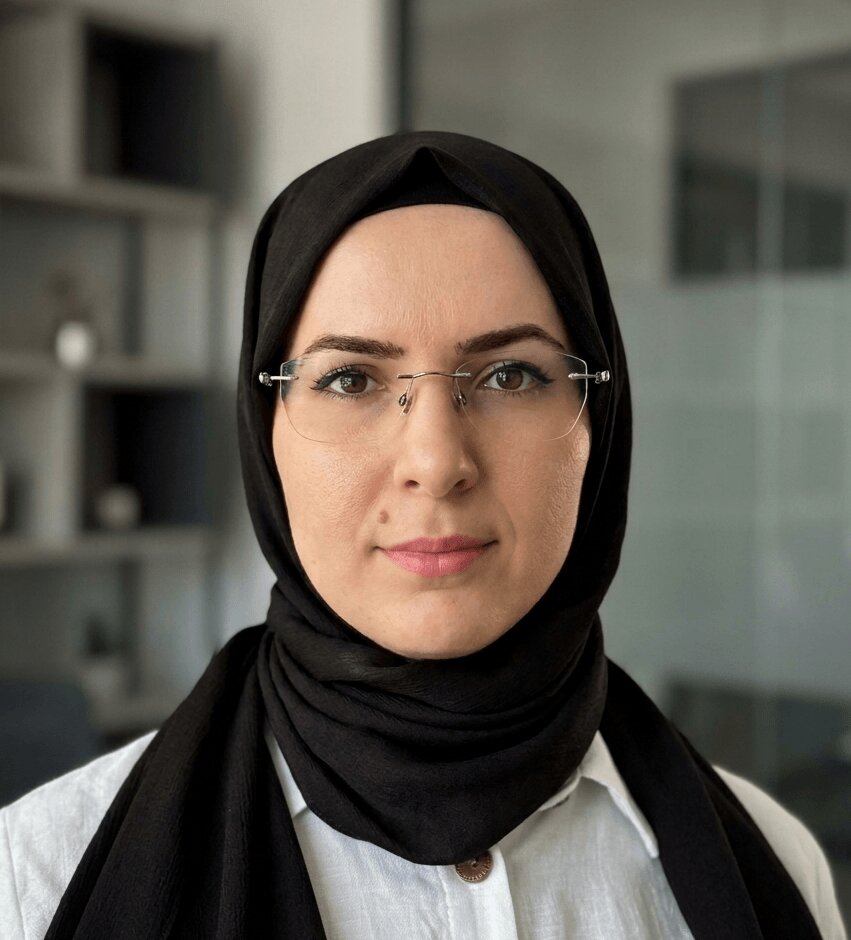
Dr. Ayşe Elif Canbilen (Senior Member, IEEE) received the Ph.D. degree from Konya Technical University, Konya, Turkey, in 2019. From 2017 to 2018, she was with the Department of Electrical Engineering, Lakehead University, Thunder Bay, ON, Canada, as a Visiting Researcher. From 2018 to 2020, she was a Research Assistant and is currently an Associate Professor at the Department of Electrical and Electronics Engineering at Konya Technical University. Her recent research interests include 6G+ systems, reconfigurable intelligent surfaces, visible light communications, machine learning in communications, and non-terrestrial networks. She is the author of more than 45 journal and conference papers and has more than 550 citations. Dr. Canbilen has been serving as a reviewer for many of the IEEE journals, such as IEEE Transactions on Vehicular Technology, IEEE Transactions on Communications, IEEE Transactions on Wireless Communications, and IEEE Transactions on Microwave Theory and Techniques. She is also a Section Editor of Konya Journal of Engineering Sciences (KONJES), an E-SCI-indexed journal.
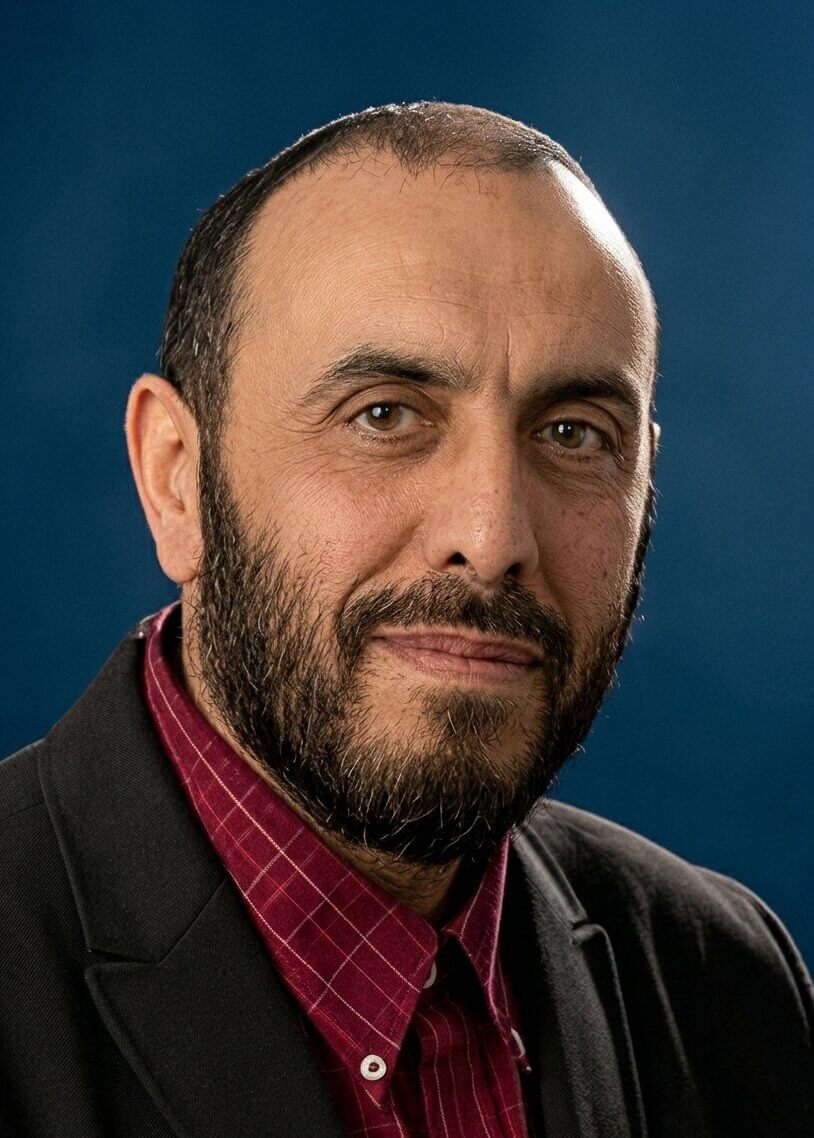
(Senior Member, IEEE) Received his Ph.D. degree in Electrical Engineering from Memorial University, St. John's, NL, Canada, in 2009. From February 2009 to February 2010, he was a Postdoctoral Researcher at the University of Waterloo, ON, Canada. From February 2010 to December 2012, he was a Research Assistant with the INRS at the University of Quebec, Montreal, QC, Canada. He is currently aProfessor of Wireless Communications at Lakehead University, Thunder Bay, ON, Canada. He is the author of more than 100 journal and conference papers and has more than 7000 citations 3 and anH-index of 41. His research group has made substantial contributions to 4G and 5G wireless technologies. His group's current research interests include massive MIMO, cell-free massive MIMO, visible light communications, and wireless sensor networks. He was a recipient of several awards for research, teaching, and service. Dr. Ikki served on the Editorial Board for IEEE Communications Letters and the Institution of Engineering and Technology Communications. Furthermore, he also served as a Technical Program Committee member for various conferences, including the IEEE International Conference on Communications, the IEEE Global Communications Conference, the IEEE Wireless Communications and Networking Conference, the IEEE Spring/Fall Vehicular Technology Conference, and the IEEE International Symposium on Personal, Indoor, and Mobile Communications. Dr. Ikki received the Best Paper Award for what he published in the EURASIP Journal on Advanced Signal Processing. He also received IEEE Communications Letters, IEEE Wireless Communications Letters, IEEE Transactions on Vehicular Technology, and IEEE Transactions on Communications exemplary reviewer certificates for 2012, 2013, and 2014, respectively.
Abstract
This tutorial explores the fundamental signal processing techniques essential for visible light communication (VLC) systems. Specifically, it covers various channel models encountered in VLC networks, including the thermal model, signal-dependent shot noise (SDSN), and relative intensity noise (RIN). Rather than focusing on their physical interpretations, this tutorial emphasizes the mathematical modeling of these noise types. Then, the effects of these channel impairments on channel estimation and detection techniques are examined. Traditional estimation methods, such as least squares estimators (LS), are reviewed, followed by the introduction of innovative approaches designed to address existing challenges in the literature. Additionally, both optimal and suboptimal detectors are compared in terms of their error performance and computational complexity. This tutorial begins with the ideal case, widely used in the literature, and explores how traditional techniques can be enhanced to lower complexity, thereby better accommodating different types of noise, particularly in SDSN and RIN channels. Finally, the role of machine learning in channel parameter estimation will be explored. Rather than treating machine learning as a "black box", mathematical models are derived to provide deeper insights into its integration within VLC systems. A mathematical framework is also presented for a machine learning-based network to estimate the channel in both ideal and practical VLC scenarios.
Tutorial Length
The tutorial is designed for a 3-hour long, half-day session.
Outline
- Overview of Visible Light Communication (VLC)
- VLC System and Channel Models
- Modulation Schemes in VLC
- Standardization Efforts and Industry Adoption
- Types of Noise Affecting VLC Systems
- Channel Estimation for VLC: Deterministic and Random Channels
- Detection Techniques: Optimal and Suboptimal Approaches in Ideal and Practical Conditions
- Machine Learning Applications in VLC
- Summary and Key Takeaways
- Open Discussion, Recommendations, and Q&A
Massive MIMO Under Fronthaul Constraints: Signal Processing for Limited-Resolution Architectures
This tutorial provides a unified signal-processing perspective on massive MIMO and cell-free massive MIMO systems operating under limited-resolution fronthaul constraints. Motivated by Open RAN architectures, the tutorial bridges theory and practical implementations.

Özlem Tuğfe Demir (Senior Member, IEEE) received the B.S., M.S., and Ph.D. degrees in Electrical and Electronics Engineering from Middle East Technical University, Ankara, Turkey, in 2012, 2014, and 2018, respectively. She was a Postdoctoral Researcher at Linköping University, Sweden in 2019-2020 and at KTH Royal Institute of Technology, Sweden in 2021-2022. She was an Assistant Professor at TOBB University of Economics and Technology in 2022-2025. She is currently an Assistant Professor with the Department of Electrical and Electronics Engineering, Bilkent University, Ankara, Turkiye. She has authored the textbooks Foundations of User-Centric Cell-Free Massive MIMO (2021) and Introduction to Multiple Antenna Communications and Reconfigurable Surfaces (2024). Her research interests focus on signal processing and optimization in wireless communications, massive MIMO, cell-free massive MIMO, beyond 5G multiple antenna technologies, reconfigurable intelligent surfaces, near-field communications, and green mobile networks. She is also an Editor of Wireless Communication Theory and Systems for IEEE Transactions on Wireless Communications. She received the 2025 IEEE Communications Society Best Young Researcher Award for the Europe, Middle East and Africa (EMEA) Region.
Abstract
This tutorial provides a unified signal-processing perspective on massive MIMO and cell-free massive MIMO systems operating under limited-resolution fronthaul constraints. Motivated by emerging Open RAN architectures, it examines how capacity-limited fronthaul fundamentally reshapes uplink and downlink processing, moving beyond classical centralized MIMO assumptions. The tutorial introduces Bussgang-based modeling for quantized uplink reception, stream-adaptive bit and power allocation, and quantization-aware precoding strategies for scalable deployments. It further presents hierarchical splitting architectures that distribute processing between access points and centralized units to reduce fronthaul load while preserving interference management capabilities. Emphasis is placed on conceptual insights into distributed signal processing, bidirectional fronthaul design, and hardware-aware algorithm development, together with emerging learning-enabled approaches. The goal is to bridge theoretical massive MIMO principles with practical fronthaul-limited implementations relevant to beyond-5G and 6G networks.
Tutorial Length
The tutorial is designed for a 3-hour long, half-day session.
Outline
- Why Fronthaul Matters in 6G Massive MIMO and Cell-Free Systems (50 minutes)
- Bussgang-Based Uplink Modeling and Stream-Adaptive Processing (40 minutes)
- Quantized Precoding and Bidirectional Fronthaul Design (30 minutes)
- Splitting Precoding and Combining Architectures (30 minutes)
- Machine Learning for Fronthaul-Constrained Massive MIMO (20 minutes)
- Open Research Problems and Future Directions (10 minutes)